
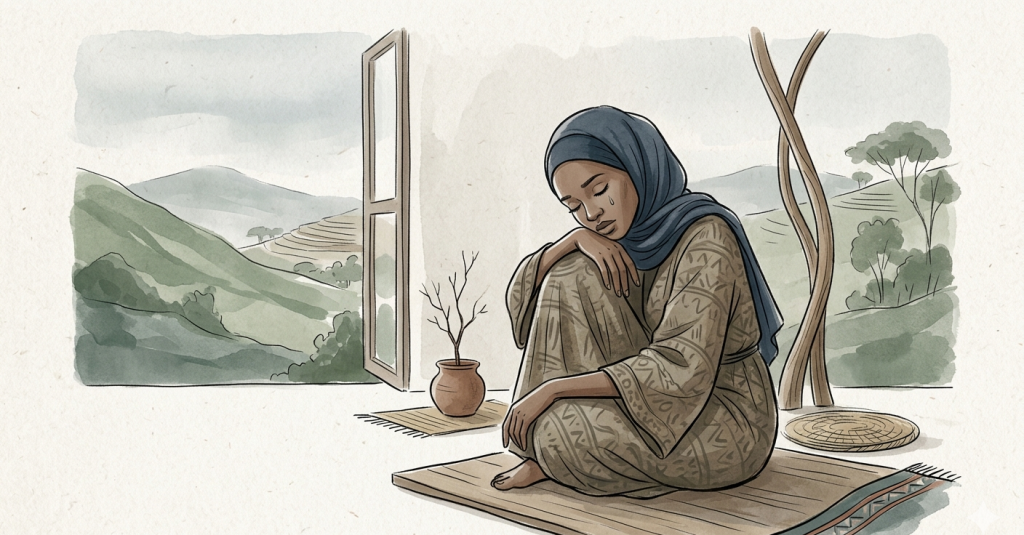
You said she loved you like sunlight on the ridge, arriving whether you welcomed or cursed it. That if you called her at midnight, sleep would loosen its grip on her, and she would rise, half-dreaming, drawn toward you. You said her heart leaned your way, always, like grass flattened by the same passing feet. That you could return to her body every day, stretch it thin with wanting, and it would still carry your name without complaint.
You said it like that, laughing, ego trailing the poet in you like a shadow that had learned to speak before you did. You enjoyed that kind of recklessness. Didn’t you? But then, you lost her. That innocent, bright mango babe. A girl so brilliant and adorned with herself, she seemed untouchable. Unlike many of your so-called friends, I will not whisper “sorry, bro” and pat your shoulder in solidarity. I will say this directly to your face: you are an idiot.
A-m-i-s-a. You spelled her name in a voice note the night I connected you. I had posted my photo with her, and your DMs flooded with lustful emojis, tongue-out faces, proclamations that she was your type, even when I told you she wasn’t looking for anything serious. You said you’d take the challenge. That you saw the perfect mother of your children in her, and if she agreed, you would wife her up quick quick. I knew your cockerel ways, yet something in you made me believe in the brother who used to exist. The one with steadier hands. And so I sent her your photo. She said you looked nice and that you guys could hang out. Someday.
A-mi-saaaa. You sang her name the next day, over the phone. You shouted it with exaggeration like a man who had stumbled upon a diamond in the dirt. She had agreed to meet you the next weekend, and you asked me what she might like.
“Words that are serious, bro,” I said. “Hmm! A white bar of chocolate would be nice too.”
When the day dawned, you carried my advice straight to the date.
You arrived at La Noche early. You stood by the roadside, smoothing your Made in Rwanda shirt. You practiced a face that could pass for intention. When Amisa came, you smiled like a man receiving rain after a long drought. She noticed. Cute Amisa always noticed things that arrived like wind.
You talked to her the way a river talks to its banks, pretending it would never overflow. You asked about her day, her work, and the small tiredness she carried behind her eyes. You listened in whole, leaning forward, nodding, letting her words land. To her, it felt like being set down gently after a long day. But to you, it was just another skill you wore well.
The first kiss waited until you finished your drinks and went outside. It hovered between you like a held breath. You walked her to the taxi. The evening had cooled, and she pulled her hijab tighter.
Amisa. You said her name like you were afraid it might break if spoken loudly. When you kissed her, it was light and almost polite. A question mark pressed to her mouth.
“Sorry! I was just caught in a moment,” you said after pulling away. She smiled then entered the taxi. You took a motorbike.
Your kiss followed her home. She lay awake replaying it. She turned it over in her mind like a coin with promise on both sides.
In the following twenty-one days, you became as regular as morning. You called when the sun was still finding its way into your room. You texted every night. You remembered what she liked, what she avoided, and the stories she told once and never repeated. Your presence settled into her life the way smoke settles into clothes: slowly, invisibly, until everything smelled like you. She couldn’t wait to see you next weekend.
The second kiss came with that appointment. She had visited you at your one-bedroom apartment in Kimicanga. You were sitting closer, knees touching. Your hand found hers, fitting as if molded there. This time, when you kissed her, it was longer, a sentence instead of a word. She melted into it like wax learning its shape. When she pulled back, breath caught, you rested your forehead against hers and said nothing.
“Babe, we have time,” she whispered. “We don’t have to rush.”
You smiled, a little desperate. You leaned back in, lips searching again.
Amisa. You said her name once, then again, like it could unlock permission. She held your face gently, firm enough to stop you.
“Why did you kiss me like that, by the way?” she asked. “Are you even ready for what it means?”
You didn’t answer, and your silence widened. Amisa waited a moment longer than she should have, then stood, picked up her handbag, and left without another word.
You said nothing. And you did nothing.
Your silence did more damage than any promise. She arrived home with your mouth still warm on her skin and told herself not to imagine things. To stay grounded. But your name had already begun to echo in her head.
This is how she leaned deeper.
Amisa. You called her that same night, your voice lower than usual. You said you were sorry. You said you hadn’t meant to make her uncomfortable. That you didn’t want to lose her. You then praised her mind and called her rare.
She listened. She said it was okay. That she understood. But when the call ended, the silence returned. She carried it into sleep, and it settled inside her.
In the next weeks, you didn’t overwhelm her with affection. You gave it in measured doses. Some days, you were all light. All laughter. All attention. Other days, you disappeared behind excuses, work, and fatigue. She learned to wait for you the way fields wait for rain: patient, blaming themselves when it didn’t come.
You became her reference point. Her good news wanted your ears first, and her bad days wanted your voice like medicine.
Her addiction to you didn’t announce itself with alarms; it arrived like hunger mistaken for love. She didn’t fall. She drifted slowly, trust slipping from her hands without noise. And you stood there watching, letting it happen, because being needed fed something hollow in you. Her devotion made you feel solid, and stopping would have required honesty. And that, my friend, was never your strong language.
Your first lie did not look like a lie.
It arrived dressed as reassurance, gentle as a hand on the back. She asked, on a date, where you saw this going. She said it like someone testing water with toes, ready to pull back if it burned. You smiled. Then exhaled. You looked away for a second, as if searching the future in the air.
“Sweet Amisa,” you whispered. “I’m not in a rush. But I’m intentional.”
Intentional. That clean, respectable word. The kind Denzel Washington makes sound holy on a stage, and men like you repeat in private when they need time. It sounded like a road with no signs but plenty of confidence.
Amisa nodded. She didn’t press. She didn’t want to seem demanding. She carried that word home and placed it among her hopes, the way you place a glass on a table and trust it won’t fall.
After that, your tenderness sharpened. When she came over again, you began touching her like someone building muscle memory. Your hand found its way to her waist, your thumb tracing the same small circle on her back, your mouth finding her neck as if it had been marked for you. The third kiss happened without ceremony. The fourth without thought. Kisses multiplied. They became routine, like punctuation in your most popular poems, especially I Will Not Die Alone, which you called a classic, though even then I knew it was a wish disguised as confidence.
And still, you waited. It wasn’t because you respected her, but because you knew that anticipation makes attachment grow roots. You let desire ferment. You let her body learn the language of almost. Every time she pulled away, you softened, and whenever she hesitated, you slowed. You made restraint feel like devotion.
When you finally slept with her, it felt to her like crossing a border.
Army cent is what her name became in your mouth. You praised her prowess, and she gave herself carefully, like someone handing over a fragile heirloom. You held her with the confidence of someone borrowing, not keeping. After, you pulled her close, fingers moving lazily through her hair, and you stayed.
That evening sealed it. From then on, her body remembered you before her mind could argue. She began to miss you, her skin recalling your touch the way earth remembers rain. When you were away, her body leaned toward absence, aching. You became a habit. A craving. A dependency she didn’t name because doing so would scare the shit out of her.
Almost a month later, you began to withdraw in small ways. Not enough to be noticed immediately, but enough to create an imbalance. A delayed reply. A missed call. A “busy day” without explanation. When you returned, you were warm. Apologetic. Present. The contrast trained her. She learned that patience was rewarded and silence brought closeness.
She started trying harder, adjusting herself like furniture, moving to fit the room you allowed. She became careful with her questions. She laughed when things hurt and told herself love required flexibility. Meanwhile, you remained undefined: close enough to be claimed in private and distant enough to escape in public.
You told her you didn’t like labels. That love needed freedom, and pressure ruined good things. You said all this while enjoying the benefits of being chosen without choosing back.
That is the second lie.
It was lived rather than spoken. And pretty Amisa swallowed it because by then, you were no longer just a guy. You were a hunger that arrived at specific hours. A pattern. And breaking from you felt like breaking routine. She didn’t know yet that you had no destination in mind. That you were walking her in circles. That every step forward was designed to look like progress while going nowhere.
Her intuition did not wake up loudly; it stirred the way animals do before rain: uneasy, pacing inside her chest. Small things began to misalign like a picture hung slightly crooked, noticeable only if you stared long enough.
And one evening, she asked again, “What are we doing?” smiling so you wouldn’t feel accused.
You let out a practiced sigh that suggested exhaustion without effort.
“Why do you always need to complicate things?” you asked. “Can’t we just be happy?”
And just like that, the ground shifted. Her question became a problem, and her wanting became a flaw she needed to manage.
“I thought you trusted me,” you added. “I thought you were different. I hate when I feel controlled.”
Controlled? By a woman asking where her heart was being led? Amisa apologised, but she didn’t talk to you for the rest of the night.
The next day, you felt she was pulling back, just enough to threaten your comfort. That’s when you made a move that seemed serious.
“Come with me this weekend. I want you to see where I come from.” You said it like offering water to someone thirsty and made her heart jump. To her, home meant roots, and parents meant seriousness.
She didn’t want to hope too hard. But she came. The road stretched long. You held her hand while driving a car you rented from Kwizera, your boss’s son, thumb pressing reassurance into her skin. She watched the landscape change and told herself this meant something.
When you arrived, your mother smiled at you the way Rwandan mothers do when they are already imagining weddings. Your father asked polite questions, nodded slowly, and measured her with silent approval. Amisa sat straight, respectful, glowing with effort. She helped in the kitchen, laughing softly in all. She became the woman she believed you were choosing. You watched her with pride. The kind of someone showing off a beautiful possession.
After bidding your parents farewell, you pulled her close and whispered, “See? I’m not playing with you.” You kissed her forehead like a seal on a document you had no intention of honoring.
That was another lie. It came with a visit that quieted her questions and softened her instincts. It made her feel foolish for doubting you. She told herself she had imagined the distance, the evasions, the half-answers. People don’t introduce you to their parents just to pass time, she reasoned. She leaned back into belief.
And you let her.
You enjoyed how that trip tightened her devotion. You used that trust like currency. When you withdrew again, old patterns resurfacing, she blamed herself for not being patient enough after all you had shown her.
But you only took her home because you needed something solid to place in front of her doubt. And it worked long enough to buy you more time. Time you would waste. Because even after that symbolic weight, you still made no plans. You avoided clarity. You still lived like a man renting love by the moment. When she pushed, you told her she was overthinking. That she should trust the process, as if there were one at all.
She apologized for mistaking you. That’s the moment you don’t talk about, brother. The moment her intuition was pushed back down like a child told to stop crying. When she chose peace over truth, she promised herself she would be more patient, more understanding, and less demanding.
After that, she began shrinking internally. She edited herself before speaking. She swallowed questions like bitter medicine and learned to enjoy what you offered without asking for more. Her love became thinner like a river forced underground.
You benefited from this silence. You came and left when you wanted. You held her when it suited you and vanished when it didn’t. You still said enough beautiful things to keep her tethered. You still kissed her as if she mattered. You still slept with and beside her as if you belonged. But you stopped choosing her in daylight.
She noticed how she was absent from your plans. How your friends never quite knew about her. How she lived in your private spaces but not your future ones. She began to feel like a secret you enjoyed keeping. Whenever she tried to pull away, you felt it immediately and showed up again. You laughed louder and held her tighter. You reminded her of the version of you that first arrived with flowers and patience. You resurrected hope just long enough to bury it again.
This is where the addiction turned painful.
She wasn’t chasing pleasure anymore. She was chasing relief from the anxiety you planted and the fear of losing you, the version of herself that felt small when you were distant. We both know she loved you so much, almost the way people love storms, knowing the damage but waiting anyway. And you mistook her endurance for weakness and her loyalty for foolishness. You still had no future shaped with her name in it. But finally, she was beginning to feel tired.
Clarity came to her the way dawn enters a room, thin light at first, but barely convincing. One evening, she came over for a friend’s meet-up. It was just me, her, and Katia at home. Katia lay on the bed, legs crossed, asking random questions the way she always does when she’s circling something without pointing at it.
“So,” she said, “what’s up with your guy?”
Amisa shrugged. “I don’t know. But we are… okay.”
“Okay how?” Ketia asked. “Like okay-going-somewhere or okay-just-happening?”
Amisa laughed, but it didn’t land. “That’s the thing,” she said. “I don’t really know where it’s going.”
I looked at her then. “But you’ve been seeing him for a while.”
“Yes,” Amisa said. “And when we are together, it feels real. He is present. I mean, sweet.”
She paused. “But when I try to imagine us beyond that, everything becomes foggy.”
Ketia leaned forward. “Have you talked about plans?”
Amisa hesitated at first. “He says he doesn’t like pressure,” she said. “That we should just enjoy things.”
I didn’t say anything at first. Ketia didn’t either. We let the silence do its work.
“And what do you want?” Ketia finally asked.
Amisa opened her mouth, then closed it. She frowned, like she was listening to herself for the first time. “I want to feel chosen by him as a wife,” she said slowly. “Not just… liked.”
I nodded. “Does he talk about you like someone he is choosing?”
She shook her head. “Today, he was telling a story about me and laughing.” She looked down. “I sounded like something temporary in my own story.”
“That’s not confusion, Amisa,” said Ketia.
“What is it then?” Amisa asked.
“It’s clarity trying to reach you,” Ketia said. “You are just not used to listening to it.”
I added, “You are not struggling because you don’t understand him. You are struggling because you do.”
Amisa went quiet. “I think,” she said after a moment, “I’ve been loving a version of him that only shows up when it’s convenient.” She swallowed. “The rest of the time, I’m filling in gaps with hope.”
No one rushed to comfort her. She sighed, leaned back, and said, almost surprised, “Wow. Saying it out loud makes it sound so obvious.”
That was the shift. It was a mix of pain and awareness. And once it arrived, it didn’t leave. She realised she had been loving a version of you that only showed up when it benefited you. You were a house with beautiful windows and no foundation.
She stopped asking questions after that, and that scared you. She began pulling herself back, piece by piece. She stopped rearranging her schedule for you. She answered late. She laughed less at jokes she had memorised. Her body, once eager, became cautious, as if it had learned something her heart was still processing.
You felt the shift and panicked. You returned with intensity, memories, and softness. You spoke about “us” again, like someone pointing at a mirage and calling it water. You touched her the way you used to, and reminded her of who she had been when she believed. But belief, once cracked, doesn’t reseal. She saw then what you were. You were neither confused nor afraid of commitment. You were just comfortable taking without building, being loved without loving responsibly, and letting women carry hope for you while you carried nothing but appetite.
The day she left wasn’t dramatic. She didn’t shout or beg. She simply said she was tired of feeling like an option in a story she was giving her whole heart to. What both stunned and angered you was the absence of emotion. Her love for you had burned itself out, leaving ash and clarity behind.
You didn’t chase her properly. You never do. You let pride dress itself as dignity. You told yourself she misunderstood you. You told us, your friends, she wanted too much. You said it “just didn’t work out.” You reduced her to a chapter you once enjoyed.
And now that you talk about her like a loss you didn’t cause, this is where I speak. I call you an idiot, not because you lost her. Men lose women every day. It’s because you confuse access with connection, desire with destiny, and attention with love. Because you think being wanted is the same as being worthy. Because you keep mistaking women’s patience for infinity.
You had Amisa. Bright, cute Amisa. Not just her body. Her mind. Her devotion. Her careful, generous love. And instead of rising to meet it, you fed on it. You drank from her like a well you assumed would never run dry. That’s idiocy, my friend. Or let’s say confident stupidity. The kind that believes it is clever until one day it looks back and realises it has been surviving on ruins.
You will keep telling the story wrong until one day you realise the common ending is you.