
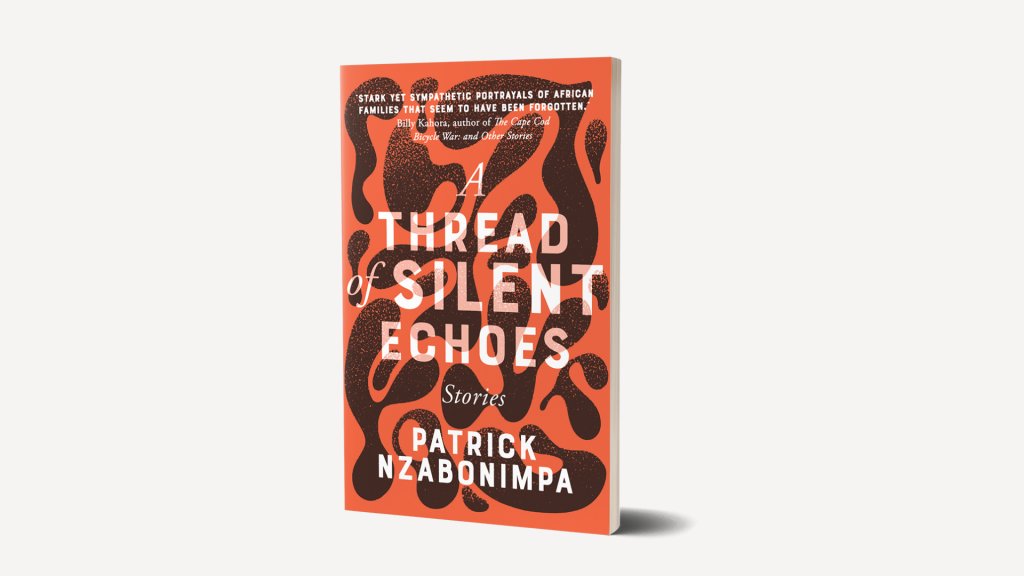
Nzabonimpa writes with a journalist’s eye for detail and a poet’s emotional sensitivity. In Chantal’s Sorrow, he tracks a woman’s descent into sex work through concrete specifics: the purple miniskirt, the drunk man’s Toyota Corolla, the exact sum of Rwf 9,000 she earns. The prose is direct and accessible, occasionally lyrical.
The stories show technical range. Some like Shattered Silence, use second person narration. Others employ fragmented timelines, keeping the collection fresh despite recurring themes. The cultural specificity is strong: Kinyarwanda phrases, references to local geography like Nyabugogo Taxi Park, and authentic dialogue create a sense of place. In Uwase and the Twin Dancers, the description of Rubaya village (the market, the farming routines, the three stone stove) grounds the story in lived experience.
The anthology delivers a graphic portrayal of contemporary Rwandan life, refusing to romanticize suffering while finding moments of human connection. However, story after story delivers trauma: domestic violence, child abandonment, false imprisonment, suicide attempts. Some stories, particularly Love’s Deceptive Mirage and The Cheater’s Party slip into melodrama when depicting romantic betrayal.
My favourite story is Maybe That’s What Memory Is about caring for a grandmother with Alzheimer’s. It builds emotional weight through accumulated detail, tenderness and restraint. In fact, the narrator’s simple gestures (cooking banana stew, wiping chalk reminders off walls) carry more weight than the collection’s more dramatic confrontations. It shows that the author has the skill to deliver more tonal variation.
It reminds me of Say You Are One Of Them by Father Uwem Akpan, which was an Oprah book selection. Both collections portray African life without romanticizing poverty or suffering, both use varied narrative techniques, and both ground their stories in specific cultural and geographic details. Nzabonimpa’s focus on Rwanda specifically and his range of adult and child perspectives distinguishes his work, but the unflinching approach to difficult subjects is similar.
Written by Muthoni Garland, writer, editor and Chief Judge for the Miles Morland Foundation Scholarships